
Kansas
Our mission is to save lives by meeting the most critical needs of our communities and investing in breakthrough research to prevent and cure breast cancer.
Kansas
Our mission is to save lives by meeting the most critical needs of our communities and investing in breakthrough research to prevent and cure breast cancer.
Need Help?
Call our breast care helpline to assist with finding local screening and diagnostic facilities or clinical research trials, requesting financial assistance, or other questions or care needs.
Get Involved
Help us reach our vision of a world without breast cancer by getting involved in our local community.

Claim Your Spot
Save the Date for the only Susan G. Komen cycling event in the Midwest – Tour de Komen. Don’t miss the opportunity to claim your spot on the 100-mile Tour de Komen route and ride alongside other passionate cyclists in the fight against breast cancer.
Join us on Saturday, Sept. 28, 2024, and make a difference.
Learn More
Save the Date
On Thursday, October 24, businesses big and small will come together to help advance Komen’s mission to end breast cancer by offering a percentage of sales or round up campaign. Help make an impact in the Kansas community by asking your favorite restaurant or shop to host a Dine Out/Shop for the Cure event.

Go Pink for the Cure
When you organize a Go Pink for the Cure event, your school community’s passion and determination can help make a real difference in our mission to end breast cancer forever. Let’s get started!
Learn More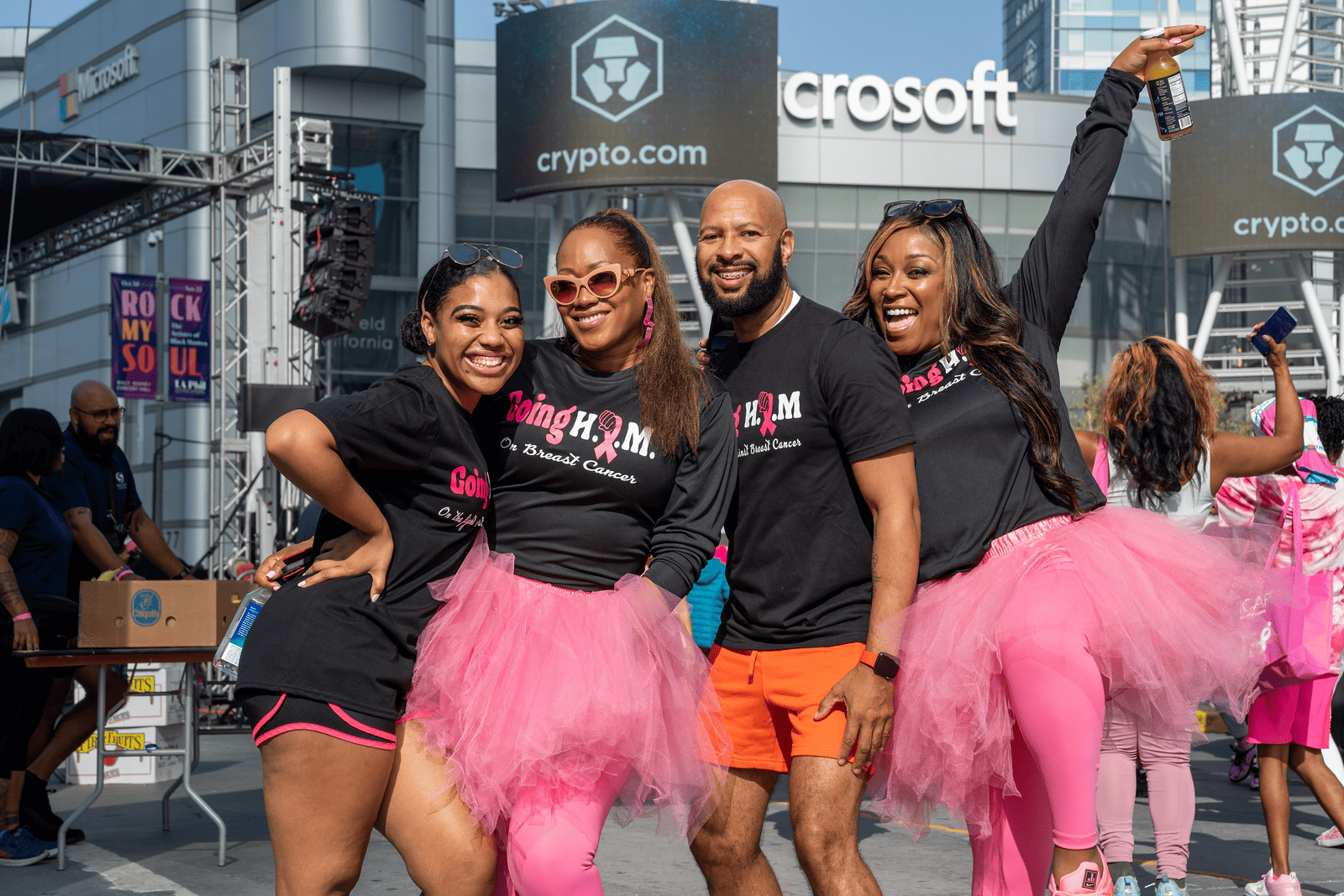
Employee Engagement
Engage your employees in our mission to end breast cancer forever.
You and your colleagues can make an impact through DIY (Do It Yourself) workplace fundraising events. DIY puts the FUN in fundraising. From Pink Days to bake sales, from dinner parties to silent auctions, DIY makes your fundraiser easy to execute.
Learn more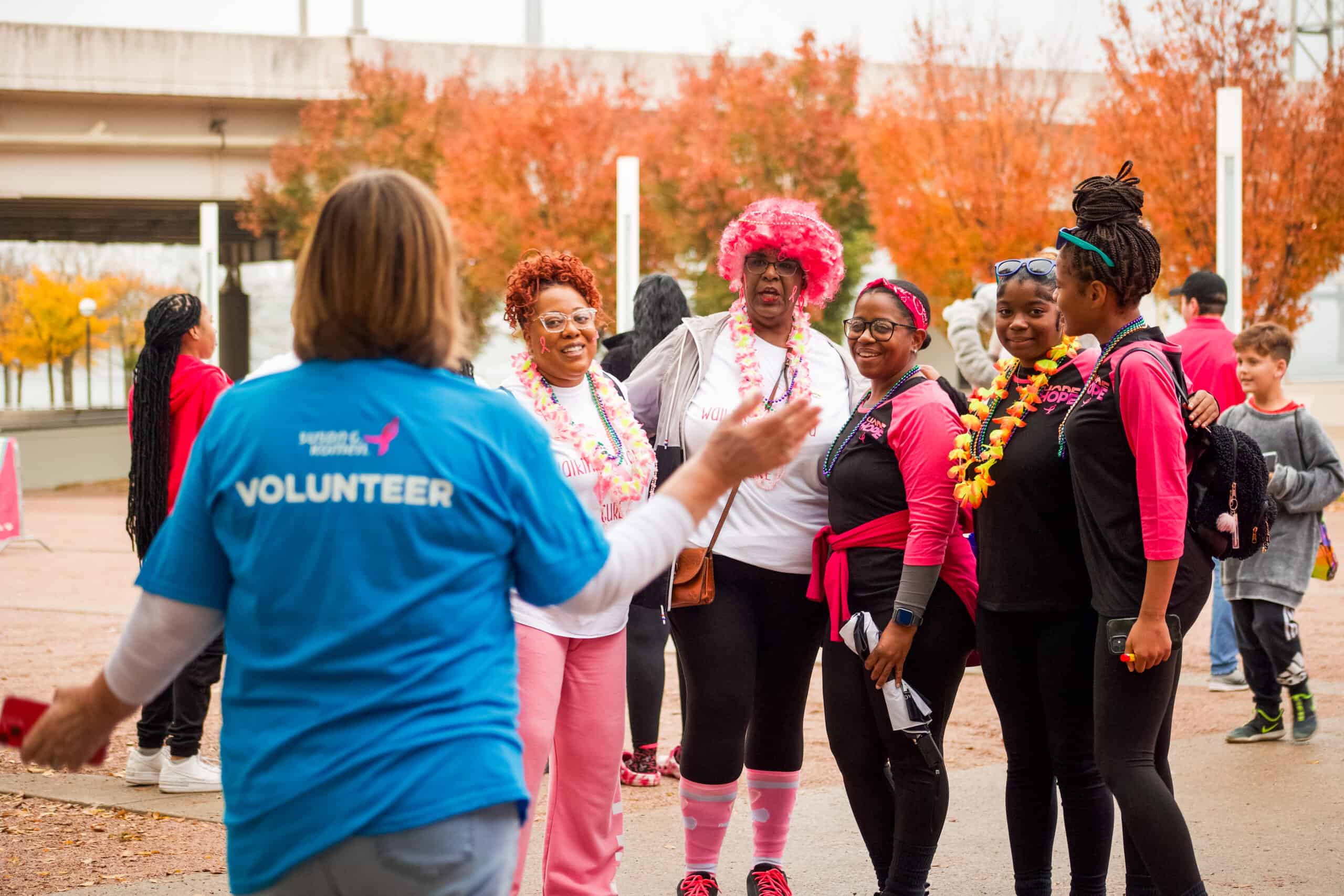
Volunteer & Make An Impact
Ending breast cancer needs all of us.
From serving as a local brand ambassador and raising critical funds for our mission programs to helping breathe life into our signature fundraising events like the MORE THAN PINK Walk, Race for the Cure, and BigWig celebrations, as well as educational events like the Metastatic Breast Cancer (MBC) conference and Advocacy Summit, we have unique volunteer opportunities for everyone who wants to help us create lasting change in the lives of those facing a breast cancer diagnosis.
Find a volunteer opportunity that suits your skills and interests, and join our passionate fight against breast cancer.
General Volunteer Interest Survey
Contact Us to Learn More
Local Events
Join the fight to end breast cancer by attending an event in Kansas!
Questions? Contact Us

ShareForCures
Your breast cancer information is as unique as you are. When combined with thousands of other ShareForCures members, you provide scientists with a more diverse set of data to make new discoveries, faster.
Latest News & Information
Nikki’s Story: I’m Not Going to Let Cancer Steal My Sparkle
Nikki Anderson’s cancer journey began with a uterine cancer diagnosis in her 30s, which was followed by a breast cancer diagnosis six years later. She celebrates her journey by fundraising for the Komen 3-Day with Team Sparkle, inspired by her own adage: “I’m not going to let cancer steal my sparkle.”
The post Nikki’s Story: I’m Not Going to Let Cancer Steal My Sparkle appeared first on Susan G. Komen®.
Statement on Passage of Critical Breast Health Legislation in Mississippi
JACKSON – Susan G. Komen®, the world’s leading breast cancer organization, today issued the following statement on the passage of two critical breast health bills in Mississippi. The first removes patient cost for diagnostic and supplemental imaging, a critical form of breast cancer screening for some high-risk individuals and an important step in determining the […]
The post Statement on Passage of Critical Breast Health Legislation in Mississippi appeared first on Susan G. Komen®.
Kansas
Contact Us
Susan G. Komen Kansas
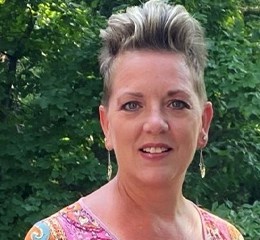
Development Director, Missouri & Kansas: Dawna Currigan
Email: dcurrigan@komen.org
Phone: 314-931-3055